
What your boiler pressure should be in Louisiana
A boiler should hold somewhere between 12 and 15 psi when the system is cold, with 15 psi the usual mark most residential gauges are built around. Once the system heats up, that number climbs, and seeing it settle near 18 to 20 psi while running is normal. The gauge sits on the boiler itself, usually a round dial with a needle, and it tells you whether there's enough water in the system to circulate properly. Most homes in Louisiana heat with electricity, but if yours runs on a boiler, the pressure matters the same way it would anywhere else. If the needle sits below 12 psi cold, the system is low on water and needs more added. If it climbs past 30 psi, the relief valve may start venting on its own. Either end of that range is worth checking before the next cold snap, since a boiler running outside it won't heat the house the way it should.
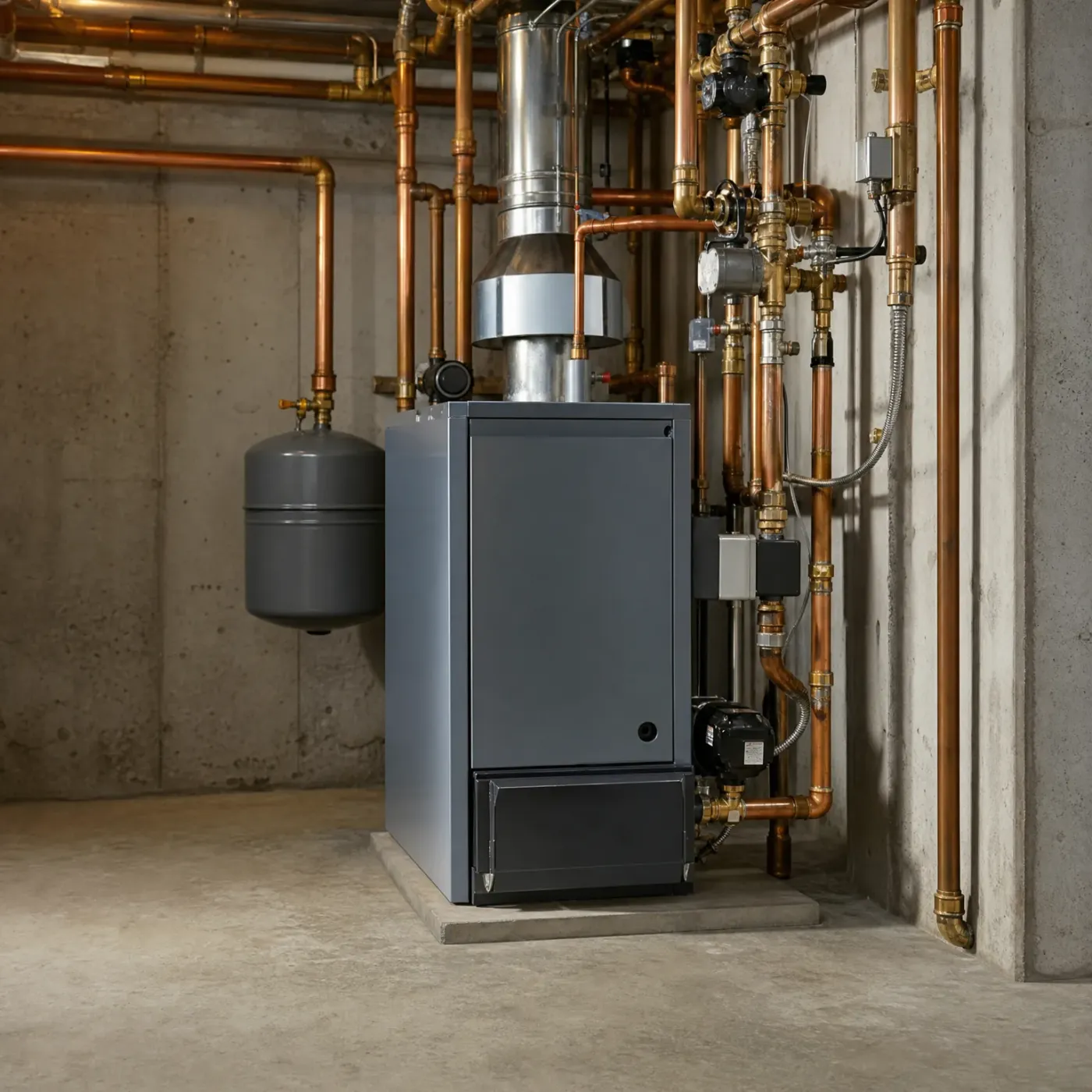
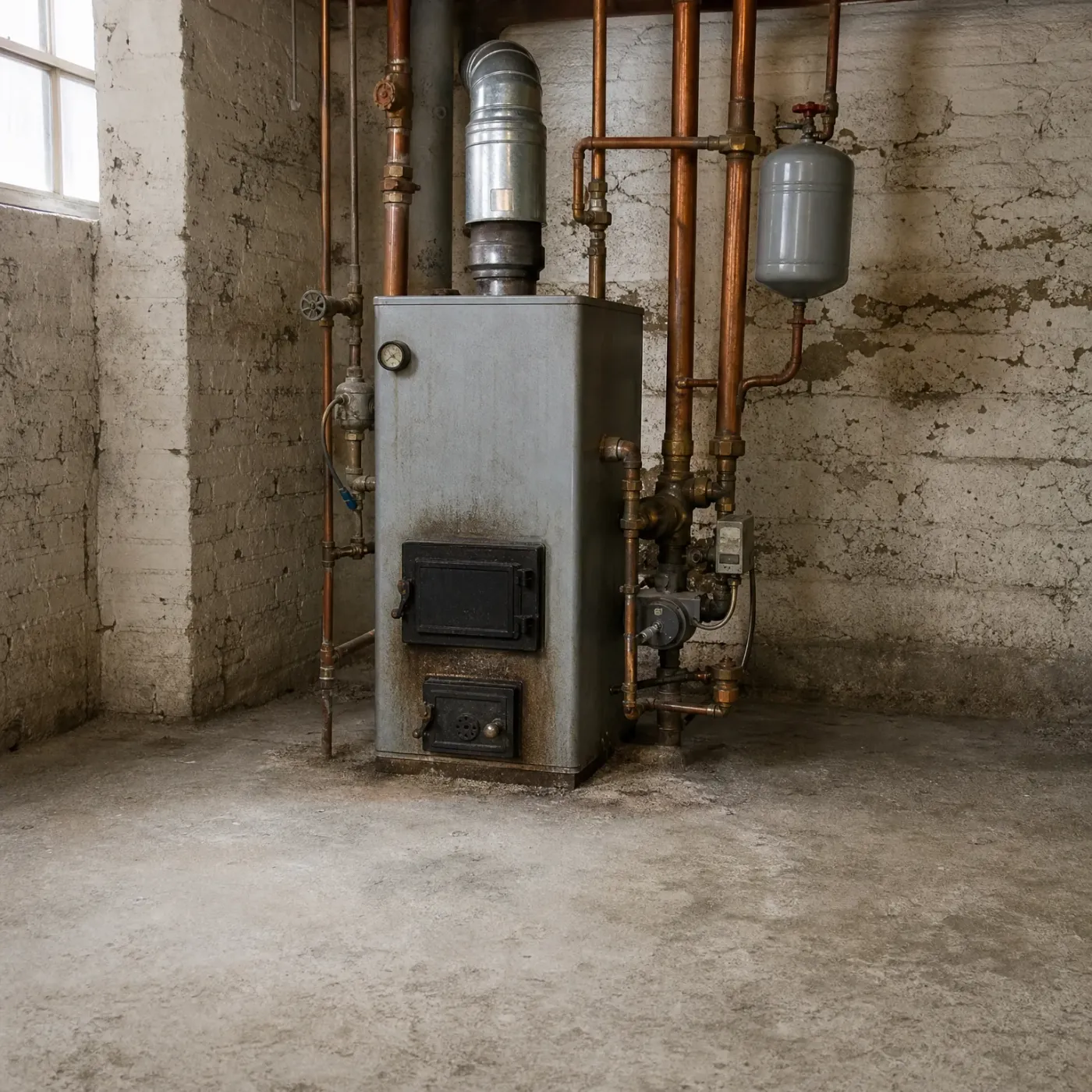
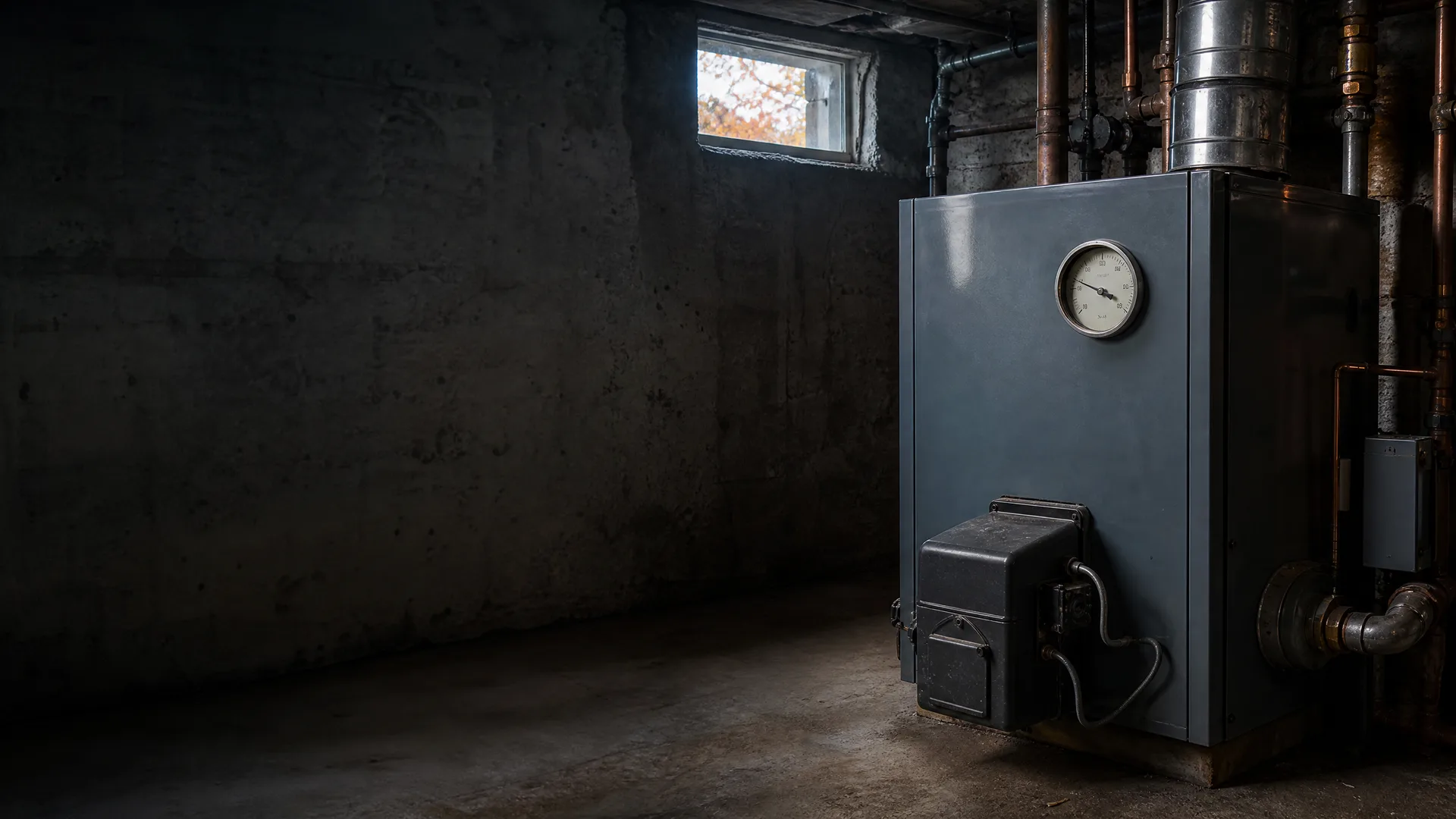
Most houses on your block heat with electricity, but yours came with a boiler, and you go down to check it the way you do every fall. The basement is cool, the kind of damp that hangs on even after a muggy Louisiana summer finally breaks. You crouch by the gauge and the needle sits under 10, well below where it held last year. It isn't making noise. It isn't leaking. It just reads low, quiet, like it's been doing it for a while without telling you. You stand there a second longer than you need to, trying to remember if you looked at it in the spring.

Why the needle moves on its own
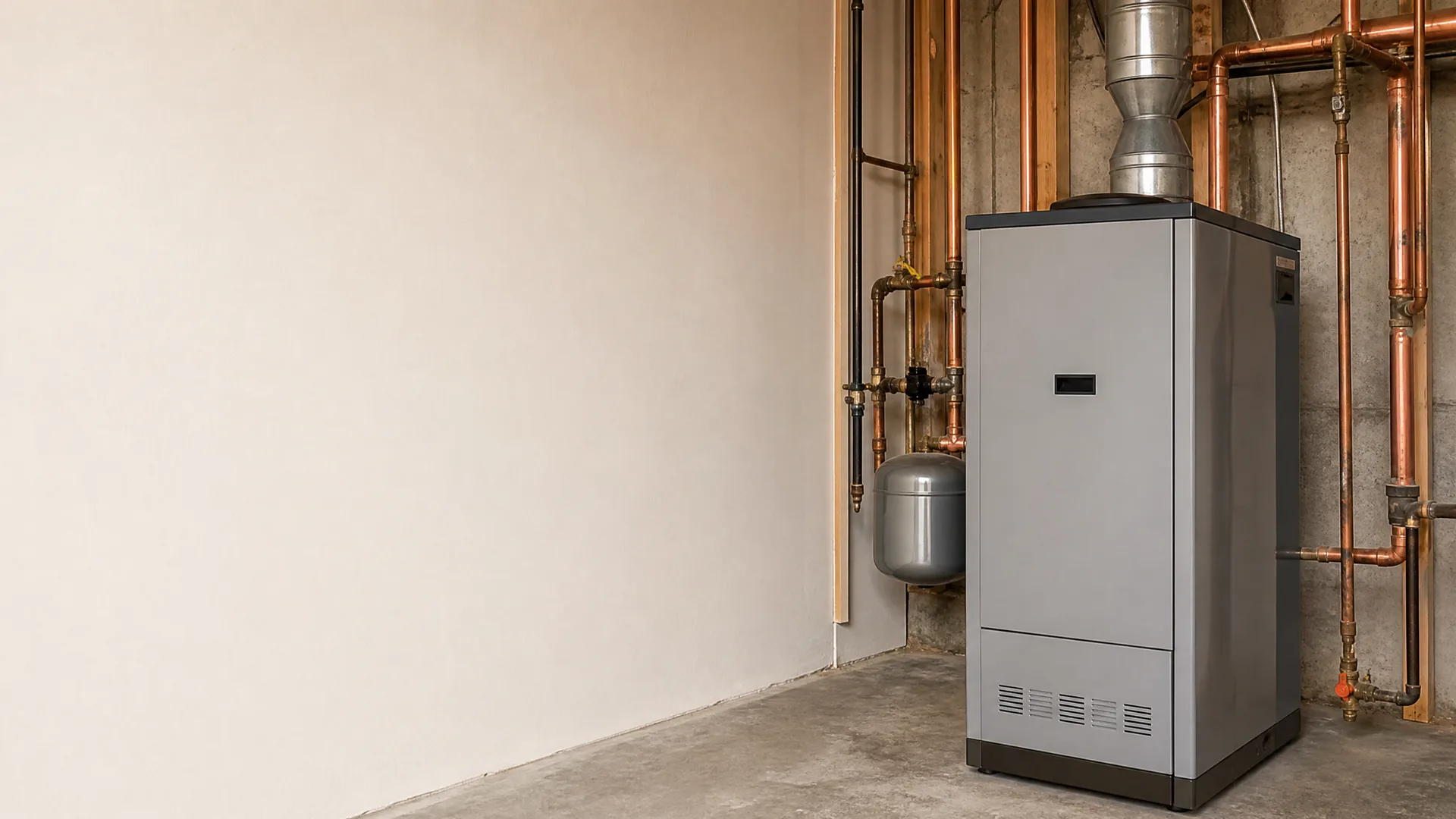
A boiler is a closed loop. The water inside has nowhere to go, so when it heats up it expands, and that expansion has to go somewhere. That somewhere is the expansion tank, a small tank usually mounted near the top of the unit with a rubber bladder inside. Cold water sits on one side of that bladder, air on the other. As the system fires and the water warms, it pushes into the tank, the bladder compresses the air behind it, and the gauge reads higher. That is the 18 to 20 psi you see while it runs. When the burner shuts off and the water cools, the water pulls back out of the tank and the needle drops again.
If the bladder has lost its air charge, the tank can't absorb that expansion, and the pressure has nowhere to go but up past what the relief valve is rated for. That is usually what is behind a needle that won't settle. It is not something you fix by bleeding a radiator or guessing at a valve. A contractor who works on boilers in your area can check the tank's air charge and the relief valve together and tell you which one is actually failing.

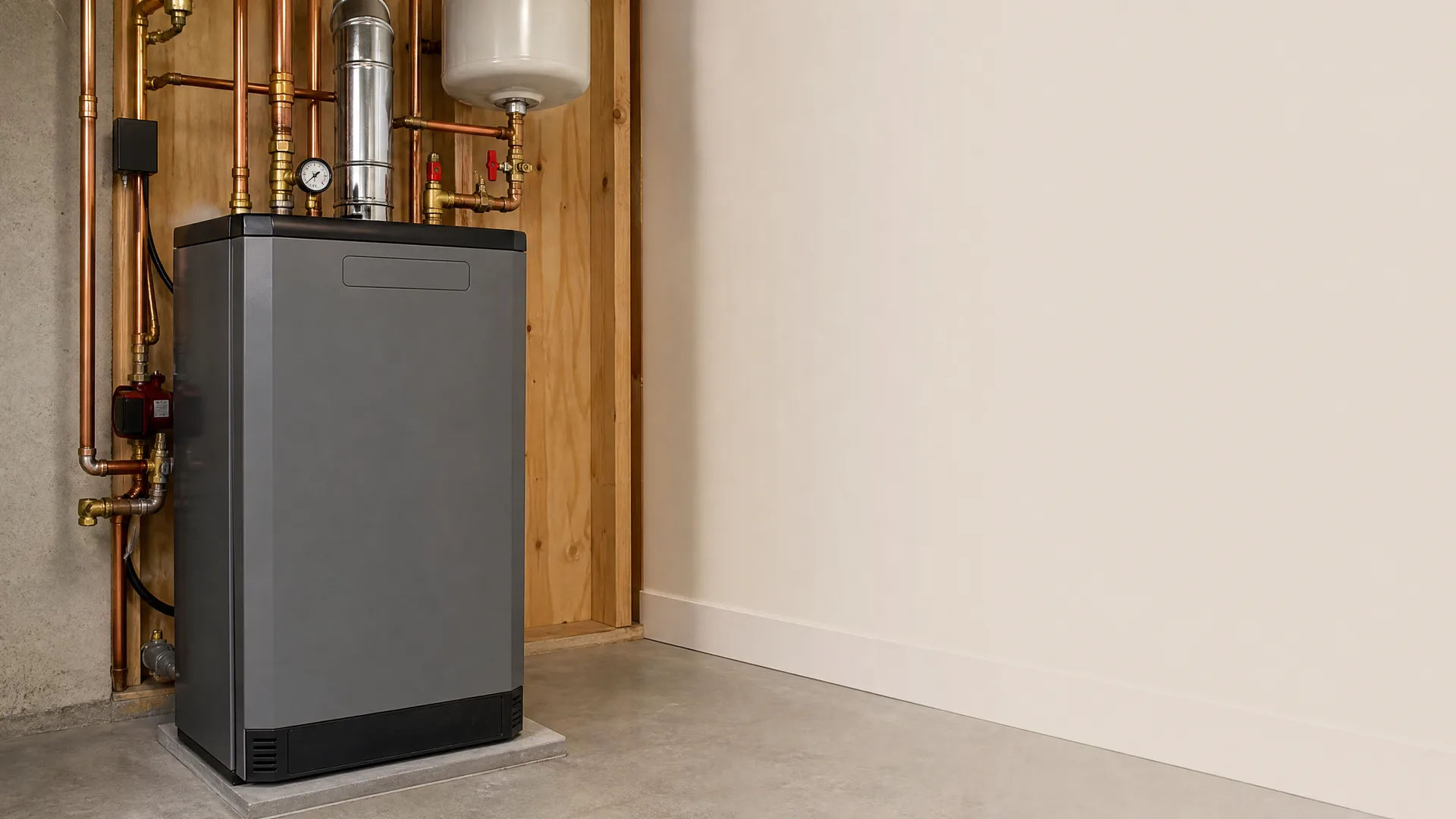
What the gauge actually measures
The pressure gauge reads the force of the water pushing against the pipes and the boiler itself. Too little and the water can't reach the highest radiator or loop in the house. Too much and it strains the seals, the valves, and the tank until something gives. The number on the dial is the system telling you whether it has enough water to fill the loop without overfilling it.
Why the relief valve matters
Every boiler has a pressure relief valve set to open around 30 psi, and it exists for one reason: to let water out before a tank or pipe fails. If you ever find that valve dripping, the system has gone past where it should be. It's not a part to ignore or tighten down. A valve that opens on its own is doing its job, and it's telling you the pressure climbed higher than the system was built to hold.
Winter nights average 43°F statewide
Nights here only drop to about 43°F on average in deep winter, so your boiler isn't working against hard cold the way one in the Northeast would. It still needs to hold its pressure right, but it won't be cycling nonstop to keep up.
NOAA nClimDiv 1991-2020 county normals weighted by homes




The right pro for this job
A boiler in a house full of electric heat doesn't get checked out of habit the way a furnace does, because nobody next door has one to compare notes with. That makes the gauge the only honest source you have. If it's holding steady where it should, you've confirmed what you already suspected walking down those basement stairs. If it's not, you're looking at a pressure relief valve or an expansion tank that needs attention before the cold snaps that do come through Louisiana catch the system already struggling. Either way, you don't have to figure out which it is yourself, or track down someone who works on boilers in a state where most people don't have one. A contractor who knows this equipment can read that gauge in person and tell you straight what it needs. Send the request and let that part of it be someone else's job for a while.
Where Your Gauge Should Sit
- Cold, the gauge should read 12 to 15 psi, and running, settling near 18 to 20 psi is normal.
- A needle that climbs past 25 or won't hold steady points to the expansion tank or the relief valve.
- Louisiana winters are mild enough that the boiler isn't cycling hard, so a steady gauge is a fair sign all is well.
- Because electric heat is the norm here, you won't have a neighbor's boiler to compare against, so the gauge is what you have.
- Checking the number each fall is a small habit that catches a failing tank or valve before it costs you heat.
The number on the gauge tells you almost everything you need to know. Cold, it should read somewhere between 12 and 15 psi. Once the boiler fires and the water heats up, that reading climbs, and finding it near 18 to 20 psi while running is exactly what a working system looks like. The trouble starts when the needle won't settle, when it pushes past 25 or wanders instead of holding a line. That usually means the expansion tank or the pressure relief valve needs attention, not the whole system.
Because your winters don't push the boiler hard, a steady gauge carries more weight than it might somewhere colder. The system isn't straining to keep up with hard cold, so if the pressure holds where it should, that's a real sign things are in order, not just luck between cold snaps. And since most houses around you heat with electricity, there's no neighbor down the street running a boiler to ask about theirs. You don't get to compare notes. The gauge is the one honest source you have.
That's why checking it is worth doing every fall before the weather turns, not just when something feels off. A tank that's starting to fail or a valve on its way out shows up on the gauge before it shows up as a cold radiator or a repair bill. It takes a minute to look. It tells you where you stand.


Matched to your boiler job
A boiler that's rare on your street is still worth checking the right way. Cold, you want 12 to 15 psi. Running, 18 to 20 psi is normal. Past that, or a needle that won't settle, means the expansion tank or relief valve needs a look. A contractor who works on boilers regularly can check that gauge, pressure test the system, and tell you what the reading means for yours. Send the form and a contractor who covers your area will reach out. That part stops being yours to figure out.
Send it once and finding someone is no longer on you.
You're not committing to anything by asking.